
Découvrez le château des ducs de Bretagne de Nantes ! Val de Loire
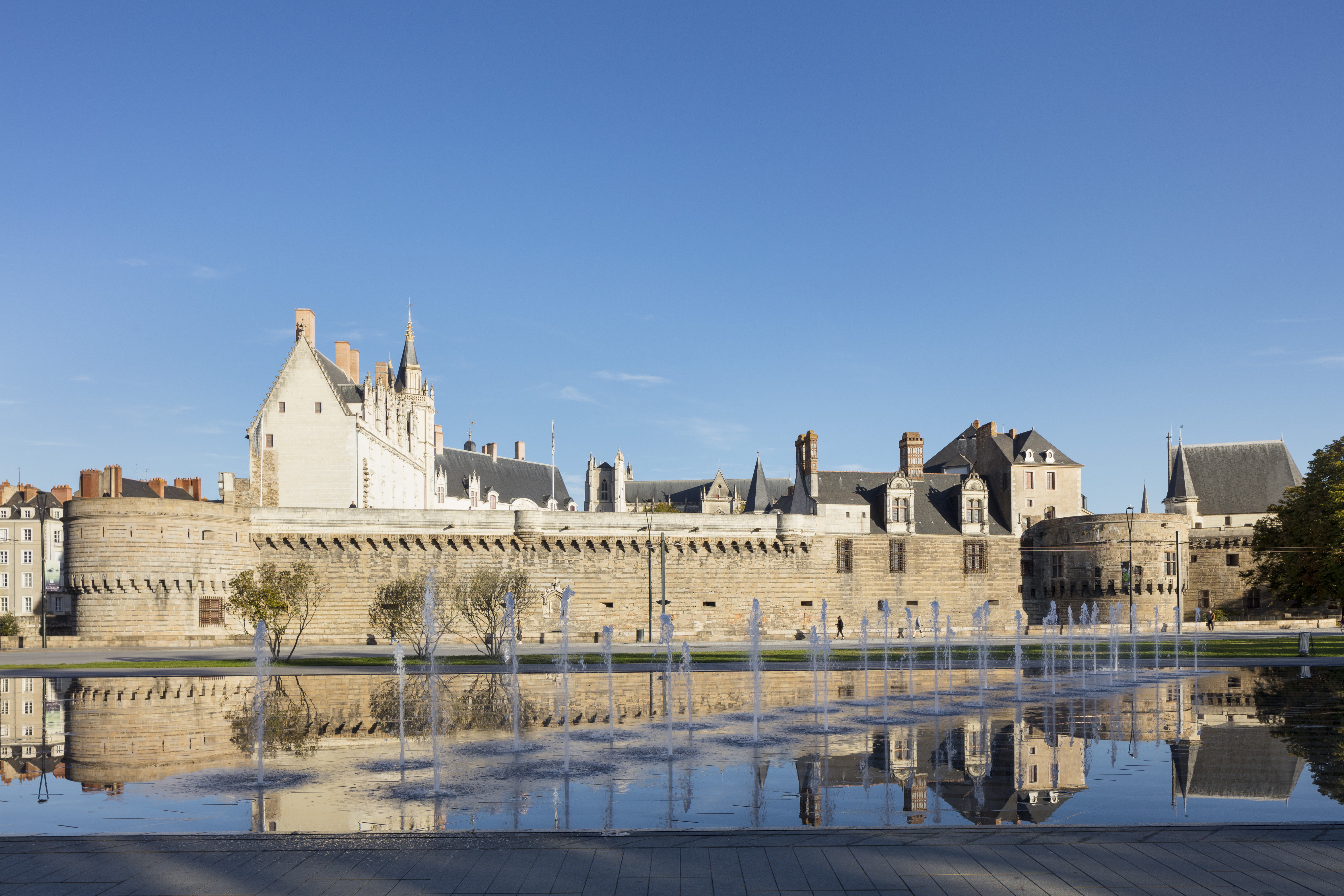
Tarif de base - Adulte Plein tarif. À partir de 9 €. • musée + expo. Au cœur du quartier médiéval de Nantes, le château des ducs et ses remarquables bâtiments des 15e et 17e siècles abritent un parcours documenté et ludique sur cinq siècles d'histoire de la ville.
Château des Ducs de Bretagne (Nantes) All You Need to Know BEFORE You Go
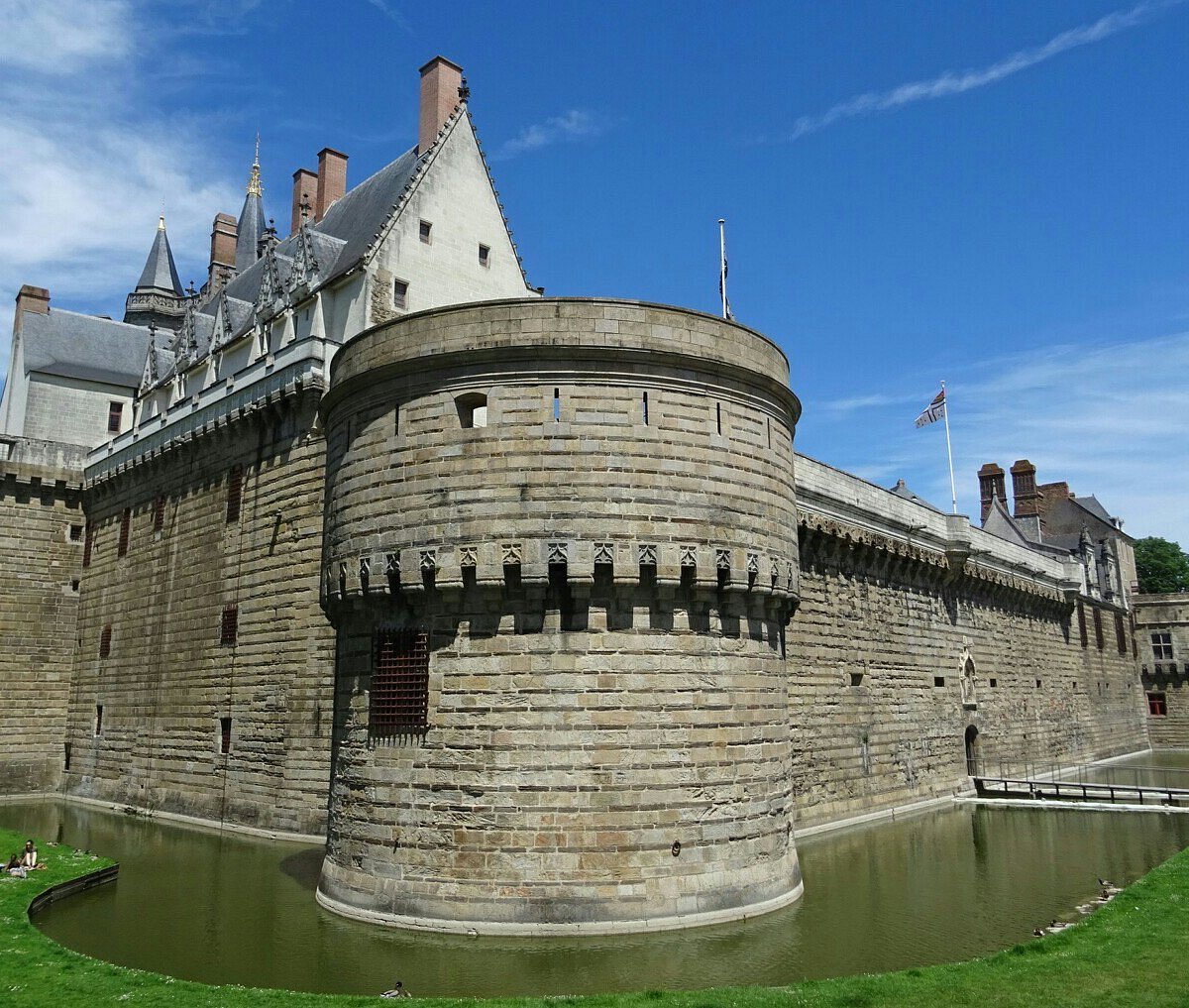
The Château des ducs de Bretagne (Castle of the Dukes of Brittany) impresses with its mighty fortification walls and through the good condition of its buildi.
Dieci (10) esperienze da non perdere assolutamente a Nantes
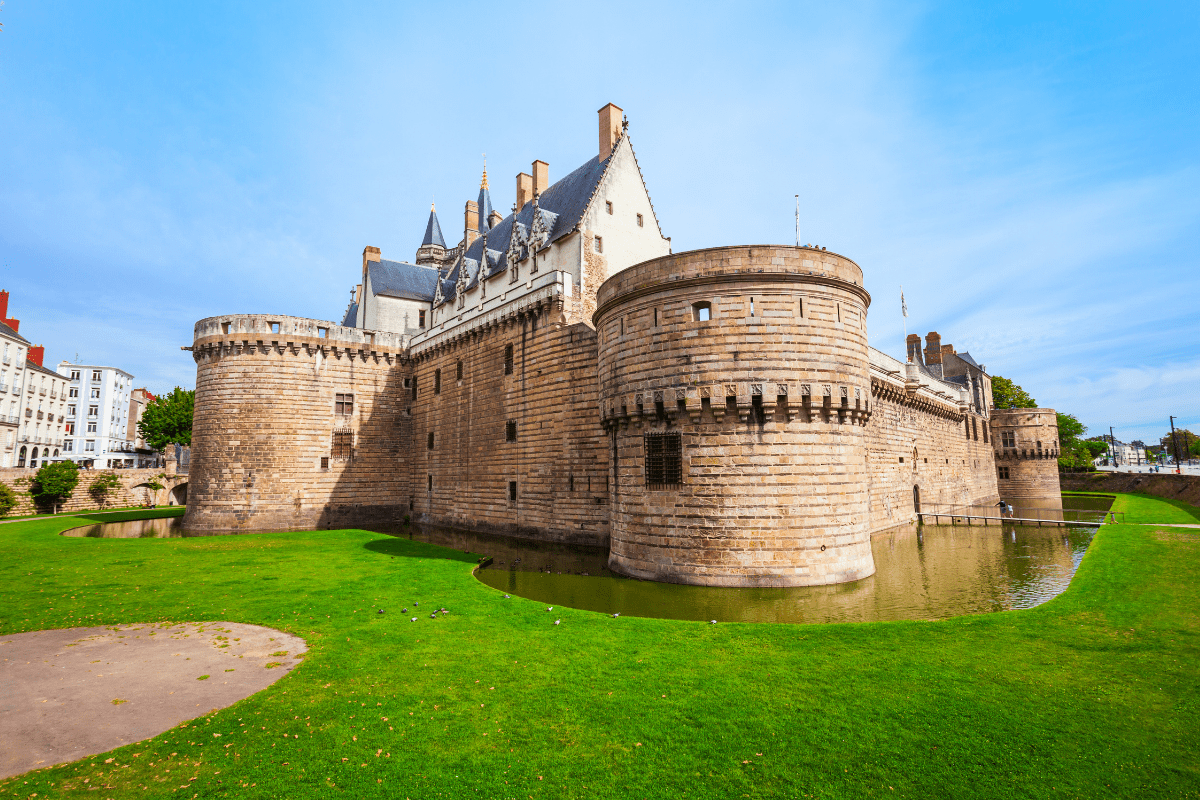
Pass Musées. With the "Pass Musées" museum pass, you can visit the Musée d'histoire de Nantes (in the Château des ducs de Bretagne), the Muséum d'histoire naturelle, the Musée d'arts de Nantes, the Musée Jules Verne, and Le Chronographe (in Rezé), with no time limit for an entire year - and all for only €15.. Valid for one person, you can (re)discover all the city's.
Château des ducs de Bretagne, Nantes [2924 × 1072] FrancePics

The Château des ducs de Bretagne is a large castle located in the city of Nantes in the Loire-Atlantique département of France; it served as the centre of the historical province of Brittany until its separation in 1956. It is located on the right bank of the Loire, which formerly fed its ditches. It was the residence of the Dukes of Brittany between the 13th and 16th centuries, subsequently.
Château des Ducs de Bretagne à Nantes Pays de la Loire
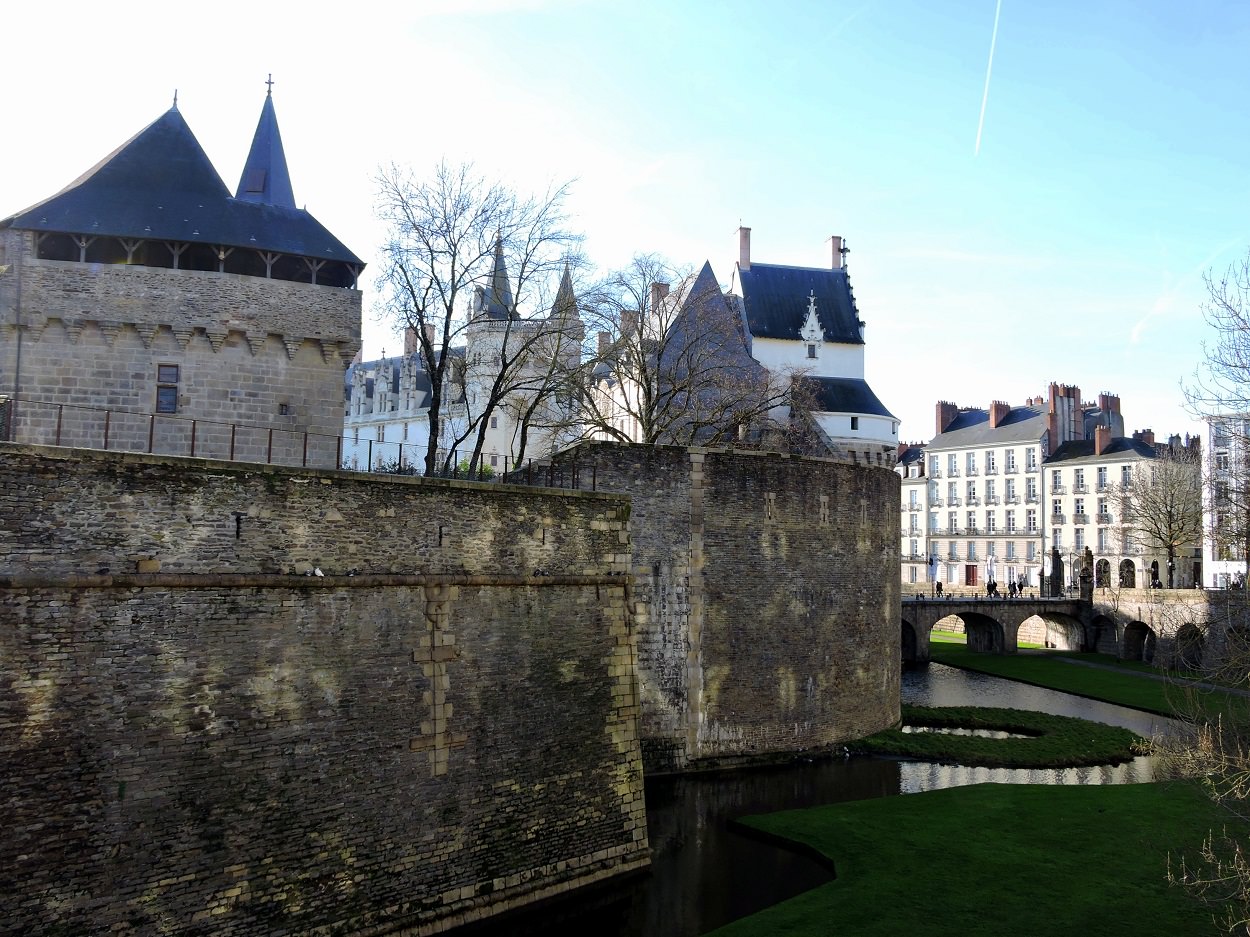
CastlesHistory Museums. Open now. 8:30 AM - 7:00 PM. Write a review. About. Located in the historic heart of Nantes, the Château des Ducs de Bretagne is a landmark of the city's urban heritage. It was built at the end of the 15th century by François II, the last Duke of Brittany, and then by his daughter, Anne of Brittany, twice Queen of France.
Le château des ducs de Bretagne à Nantes
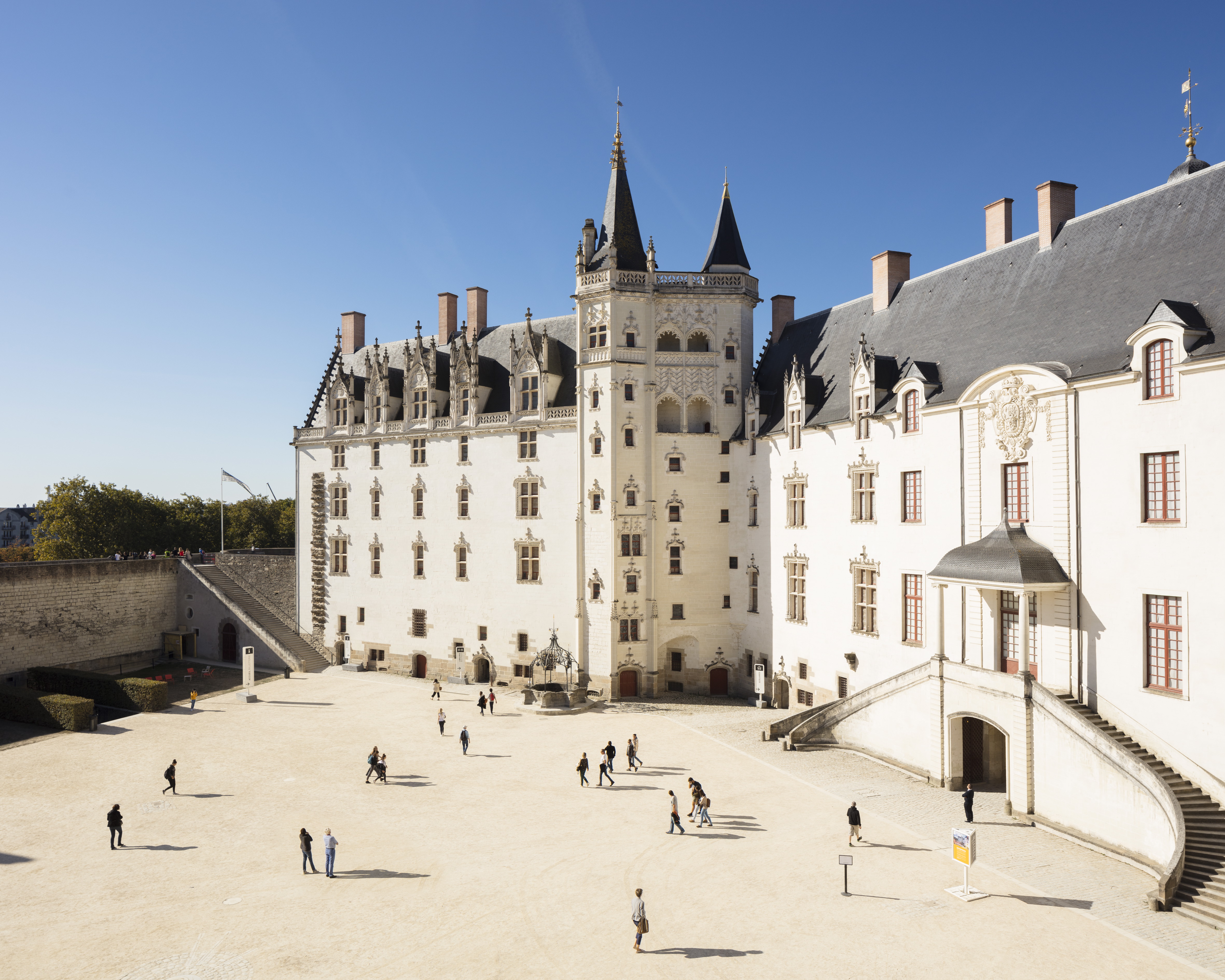
Standard rate - adult full price. From 9 €. Let yourself be bewitched by five centuries of history. This Breton monument is the last château on the banks of the Loire before the ocean. Its wonderful buildings, dating from the 15th and 17th centuries, will take you on a truly magical voyage through the history of Brittany.
Château des ducs de Bretagne Nantes France Nantes France, Fairy Castle, Geo, Castles, Fort

Château des ducs de Bretagne Musée d'histoire de Nantes 4 place Marc Elder 44 000 — Nantes. Calculer mon itinéraire. Entrées accessibles par le pont dormant et par le pont de secours. Les chiens ne sont pas admis dans l'enceinte du château à l'exception des chiens guides ou d'assistance.
Le Château des Ducs de Bretagne une visite incontournable à Nantes
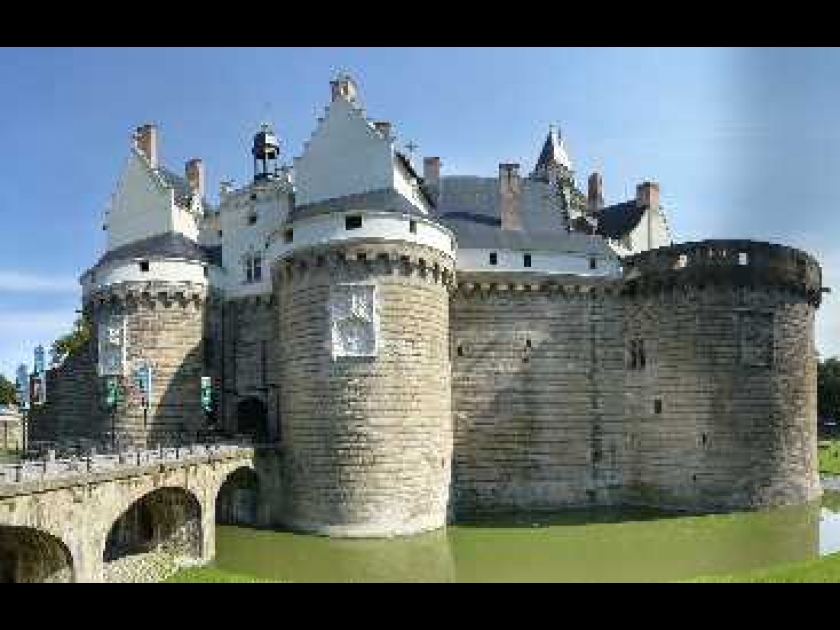
Château des Ducs de Bretagne is Nantes' most important historical landmark and it certainly has the centuries of history to back it up. It has been listed as an historic monument since 1840, undergoing a huge restoration period of 15 years - during three of which it was closed to the public - reopening in a fresh and impressive state in 2007.
Le château des Ducs de Bretagne Tourisme LoireAtlantique
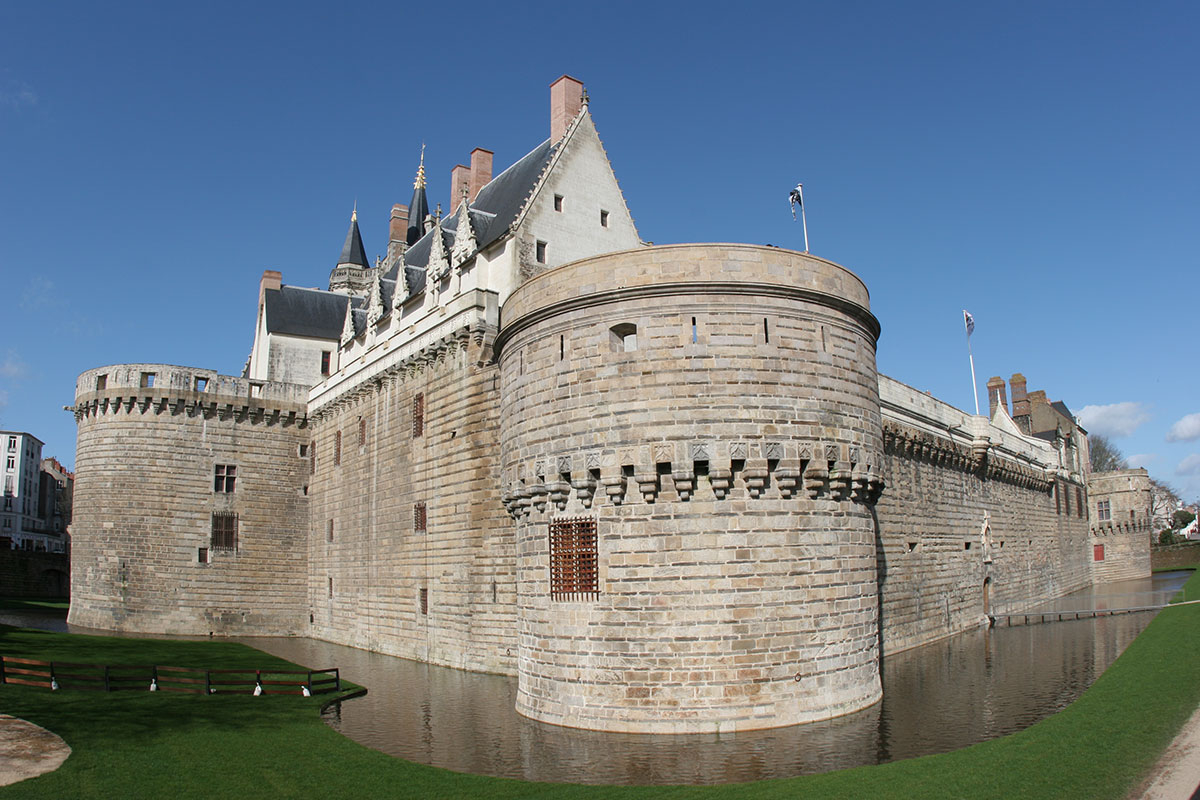
Set in the historic heart of Nantes, the Château des ducs de Bretagne is the city's most important historic building, along with the Cathedral St. Pierre. When looking at it from the city, it is a fortress with 500 metres of curtain walls punctuated by seven towers, all linked by a sentry walkway. The inner courtyard reveals an elegant 15th.
Château des Ducs de Bretagne Nantes France Castle of t… Flickr

Le château des ducs de Bretagne est un des édifices emblématiques de la ville française de Nantes, qui faisait partie de la province de Bretagne jusqu'en 1789. Principalement construit au XV e siècle, mais comportant des éléments datant du XIV e au XVIII e siècle, ce château, d'abord forteresse ducale, devient forteresse royale lorsque le duché de Bretagne est incorporé au domaine.
Le château des ducs de Bretagne Becedia
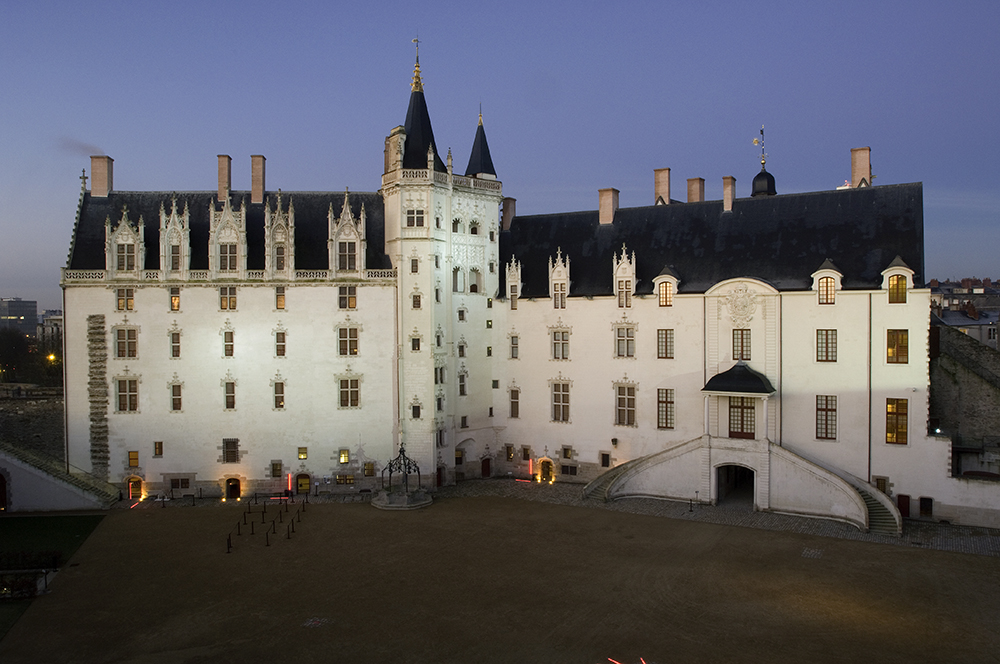
Implanté dans le cœur historique de Nantes, le Château des ducs de Bretagne est le monument-phare de son patrimoine urbain, avec la Cathédrale Saint-Pierre. Il a été construit à la fin du 15 e siècle par François II, dernier duc de Bretagne, puis par sa fille, Anne de Bretagne, deux fois reine de France.
Nantes Castle of the Dukes of Brittany Chateau Des Ducs De Bretagne, France Stock Photo

Set in the historic heart of Nantes, the Château des ducs de Bretagne is the city's most important historic building, along with the Cathedral St. Pierre. It was built in the late 15 th century by François II - the last Duke of Brittany - and later by his daughter, Anne of Brittany, who was twice Queen of France. This castle is filled.
Chateau des Ducs de Bretagne, Nantes Book Tickets & Tours
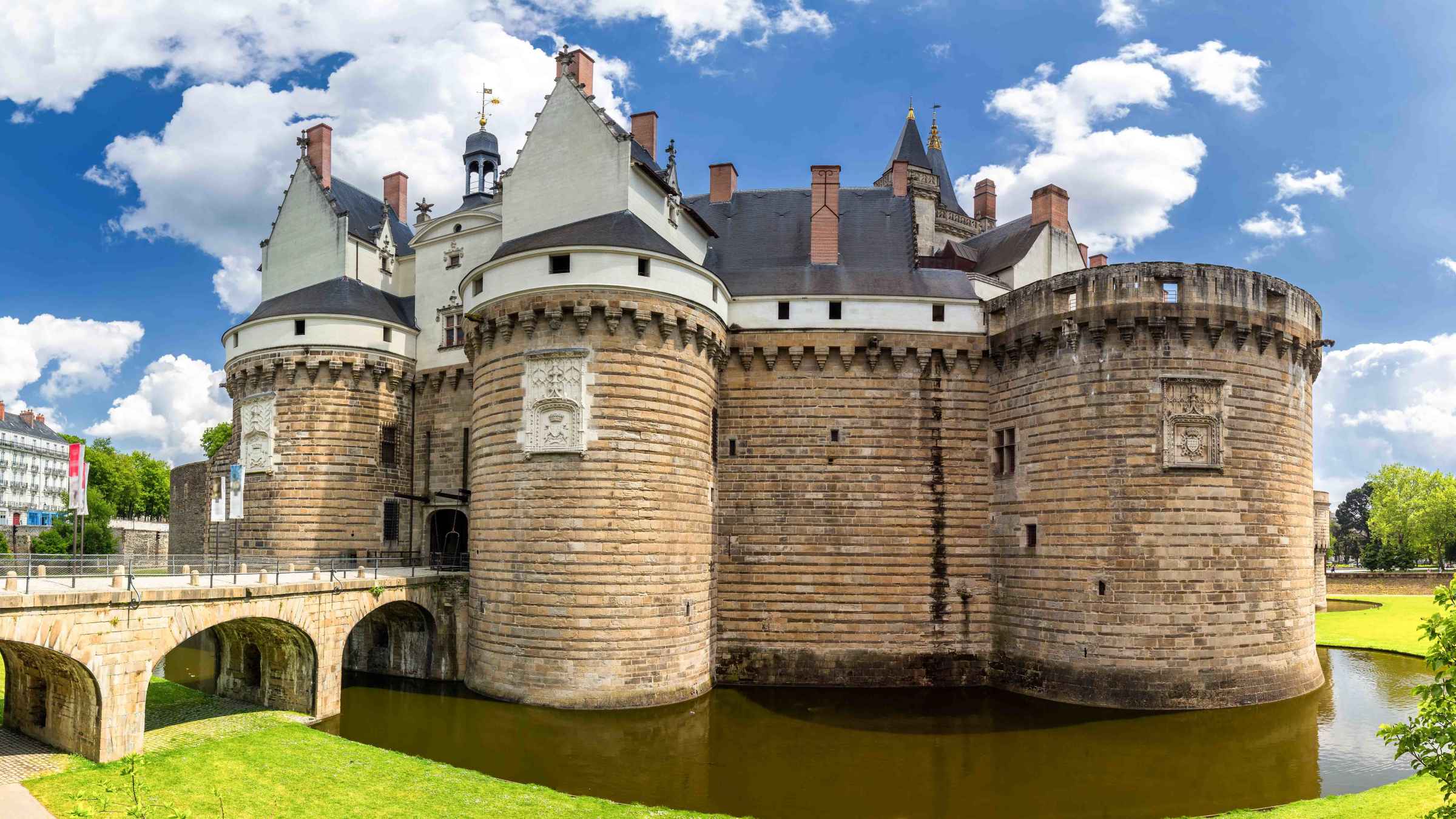
De nombreuses visites sont proposées pour découvrir le Château des ducs de Bretagne et son musée d'histoire résolument contemporain !À la pointe de la muséographie contemporaine, jalonné de dispositifs numériques, le musée d'histoire se déploie dans 32 salles et met en scène plus de 1 150 objets de collection. La visite dresse un portrait de la ville depuis ses origines jusqu.
Château des ducs de Bretagne (Nantes) Les douves et le pon… Flickr

By Château des ducs de Bretagne - Musée d'histoire de Nantes. Located in downtown Nantes, the Castle of the Dukes of Brittany is one of the most important monuments of the city's heritage. With nearly half a mile (500 meters) of ramparts and the ducal residence in Flamboyant Gothic style inside the walls, the castle forms an impressive whole.
Le château des Ducs de Bretagne, une merveille nantaise
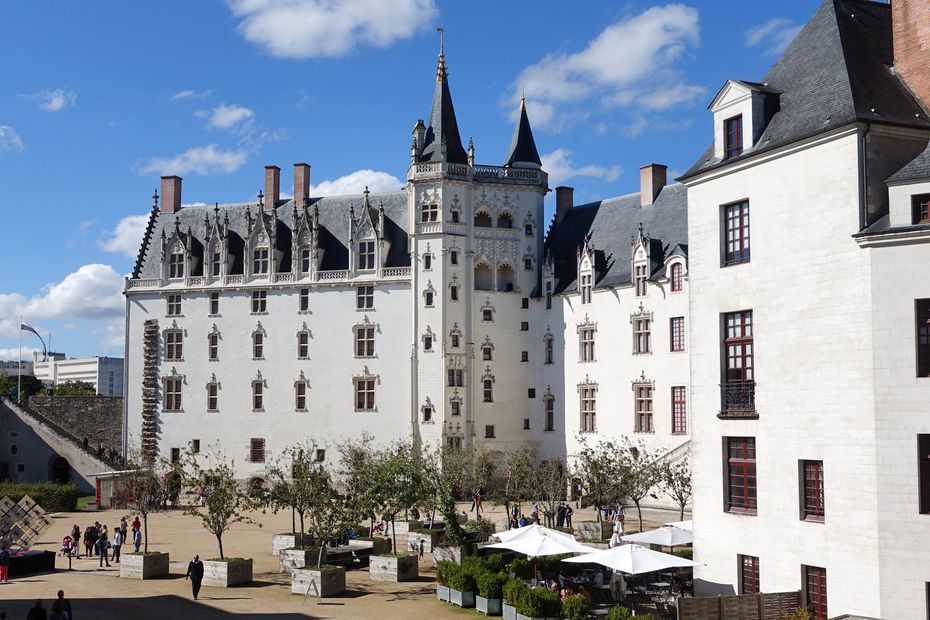
The Castleof Nantes. In the heart of Nantes' medieval quarter, come discover the Château des ducs de Bretagne: one of the city's most emblematic sights, built in the late-15th century by François II and his daughter, Anne of Brittany. Opening times. and acces.
Aerial view of Château des ducs de Bretagne, Nantes, France stock photo

Le Château des ducs de Bretagne : le musée d'histoire de Nantes, l'agenda des expos et événements. Préparer sa visite : horaires, tarifs et billetterie.. Au cœur du quartier médiéval de Nantes, découvrez le Château des ducs de Bretagne, site emblématique de la ville, construit à la fin du 15e siècle par François II et sa fille.
.